Why A Good Word Counter Gets Used Again And Again
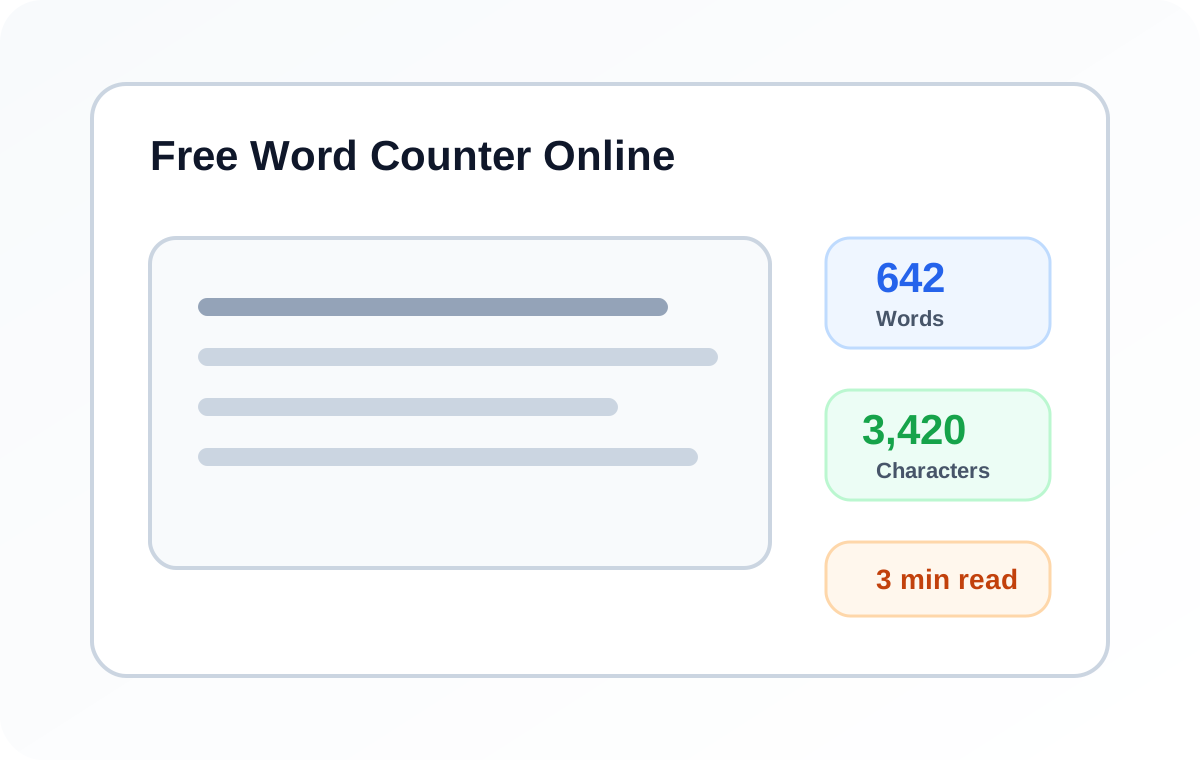
A word counter sounds simple, but it solves more problems than most people expect. Blog posts, landing pages, essays, scripts, product descriptions, and metadata all have length targets, and those targets shape clarity, structure, and usability. When the count updates instantly, it becomes much easier to cut filler, add missing detail, and make decisions with a little more confidence instead of guessing.
Where Word Count Helps SEO And Readability
Word count is not a ranking shortcut, but it is useful when you are matching content to intent. Some pages work best when they are brief and direct. Others need room to explain, compare, or teach. Seeing the word count beside sentence count, paragraph count, and reading time makes it easier to spot thin sections, overlong passages, and dense blocks that probably need a cleaner structure.
Not Just For Blog Posts
This kind of tool is just as useful for students, copywriters, recruiters, agencies, and support teams as it is for publishers. Resumes, scholarship statements, ad copy, email drafts, and social posts often need to hit a target length. Character totals matter for titles and short-form platforms. Because the feedback is immediate, the tool fits naturally into everyday editing instead of feeling like a one-off check.
Keep The Rest Of Your Text Workflow Close
Length is only one part of cleanup. After checking the count, people often need to convert case for a heading, remove duplicate lines from a pasted list, or move into another text task. Keeping those related utilities in the same place saves time, improves navigation, and makes the site more useful for visitors who are solving several small problems in one sitting.